Discover the Perfect Filament for Your 3D Printing Needs
Welcome to Fila Fili: Your Ultimate Filament Guide
Explore a comprehensive guide to choosing the right filament for your 3D printing projects. From material comparisons to expert recommendations, find everything you need to make informed decisions.
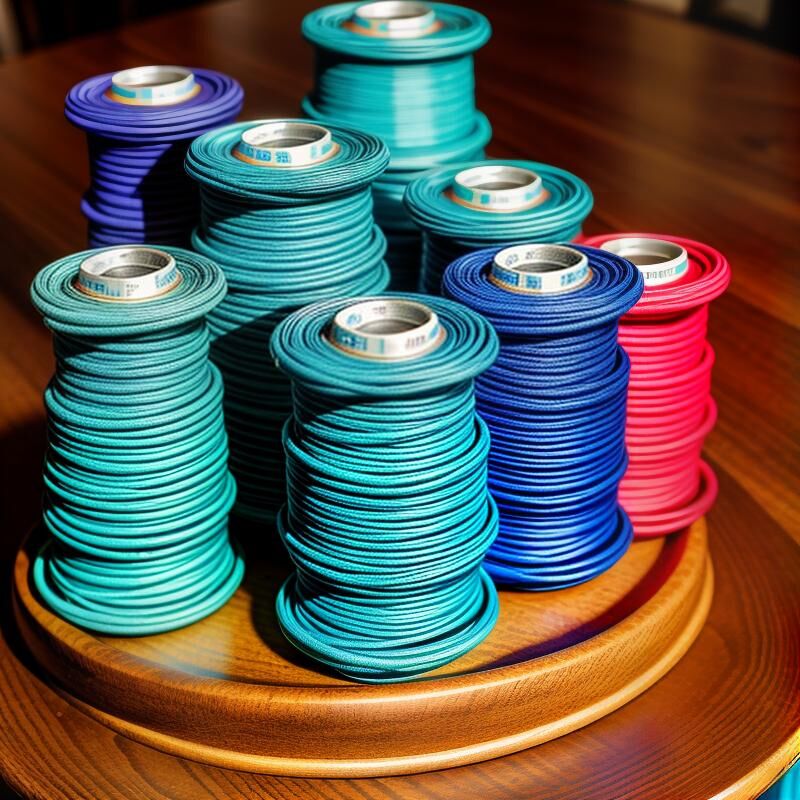
Explore Our Filament Features
PLA Filament
Known for its ease of use, PLA is ideal for beginners and offers a smooth finish for detailed prints.
ABS Filament
ABS is durable and heat-resistant, making it perfect for functional parts and outdoor use.
PETG Filament
Combining strength and flexibility, PETG is great for mechanical parts and offers excellent layer adhesion.
Compare Our Top Filament Choices
PLA Filament
PLA is biodegradable, easy to print, and available in a wide range of colors. Best for prototypes and hobby projects.
Ease of Use
Surface Finish
Color Variety
Biodegradability
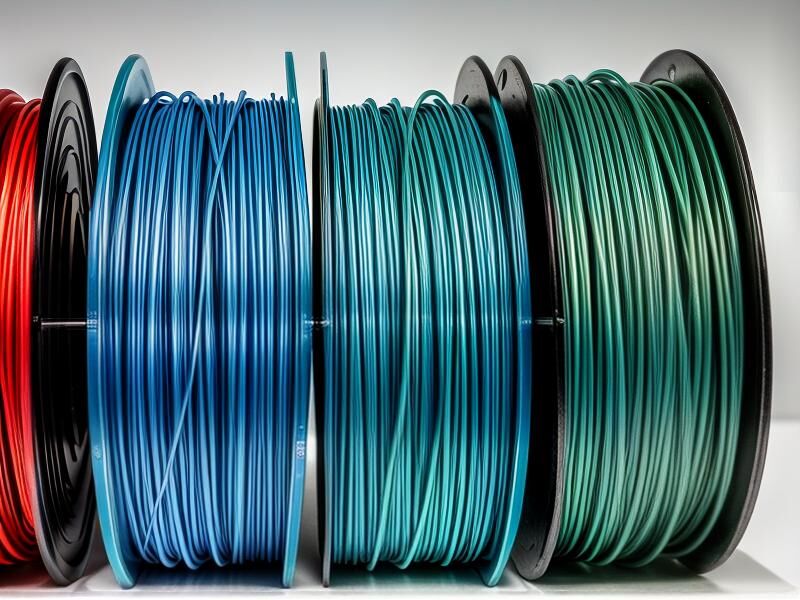
ABS Filament
ABS provides high strength and temperature resistance, suitable for engineering applications and outdoor parts.
Durability
Heat Resistance
Post-Processing
Cost-Effectiveness
Filament Recommendations for Your Projects

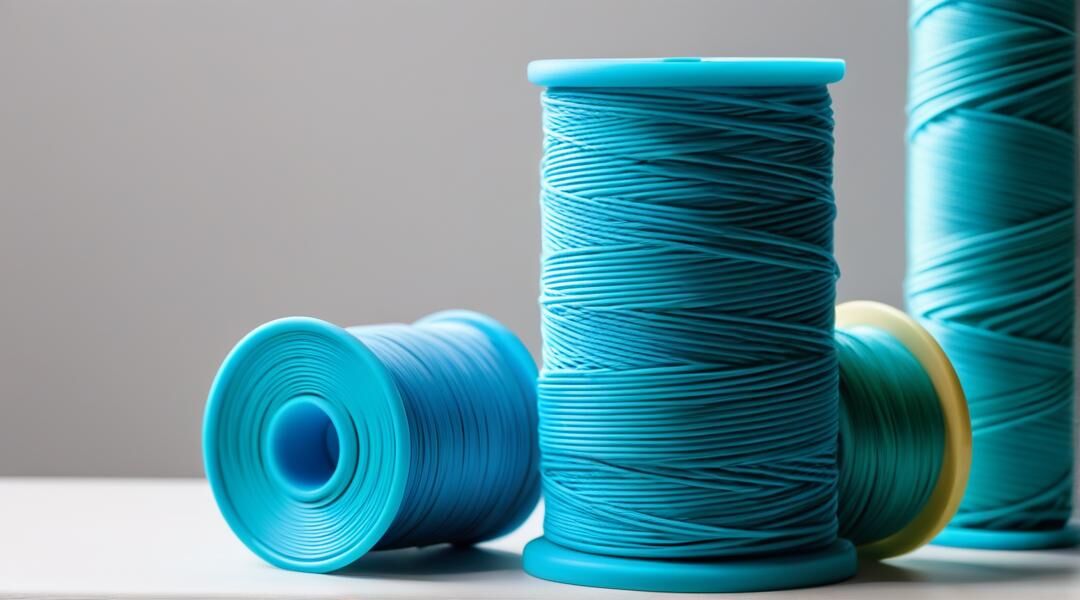
Choosing the right filament can significantly impact the quality and success of your 3D printing projects. For beginners, PLA is an excellent choice due to its ease of use and wide availability. If you’re working on functional parts that require durability, consider using PETG or ABS. For artistic projects, flexible filaments like TPU can add a unique touch. Explore our detailed guides to find the perfect match for your specific needs.
Common Questions About 3D Printing Filaments
What is the best filament for beginners?
PLA is widely recommended for beginners due to its ease of use, low printing temperature, and minimal warping issues. It is also available in a variety of colors and finishes.
How do I choose the right filament for my project?
Consider the mechanical properties you need, such as strength, flexibility, or heat resistance. Also, think about the aesthetic finish and the ease of printing. Our filament guide can help you make an informed decision.
What are the differences between PLA and ABS?
PLA is biodegradable, easy to print, and has a lower melting point, making it ideal for beginners. ABS is more durable and heat-resistant, suitable for functional parts but requires a heated bed and good ventilation.
Can I use multiple filaments in one print?
Yes, using a dual-extruder printer allows you to print with multiple filaments, combining different colors or materials for complex designs. Ensure compatibility between the filaments used.
What is the best filament for outdoor use?
PETG and ASA are excellent choices for outdoor applications due to their UV resistance and durability. They can withstand weather conditions better than PLA or ABS.
How do I store my filaments properly?
Store filaments in a cool, dry place, preferably in an airtight container with desiccants to prevent moisture absorption, which can affect print quality.
What are flexible filaments used for?
Flexible filaments like TPU are used for creating rubber-like parts, such as phone cases, gaskets, and wearable items, offering elasticity and impact resistance.
How do I troubleshoot common filament issues?
Common issues include clogging, warping, and poor adhesion. Ensure your printer settings match the filament specifications and check for any mechanical issues with your printer.
What is the impact of filament diameter on printing?
The filament diameter affects the flow rate and precision of the print. Ensure your printer is calibrated for the specific diameter you are using, typically 1.75mm or 2.85mm.
Latest Insights on 3D Printing Filaments
No Results Found
The page you requested could not be found. Try refining your search, or use the navigation above to locate the post.